Untitled-37
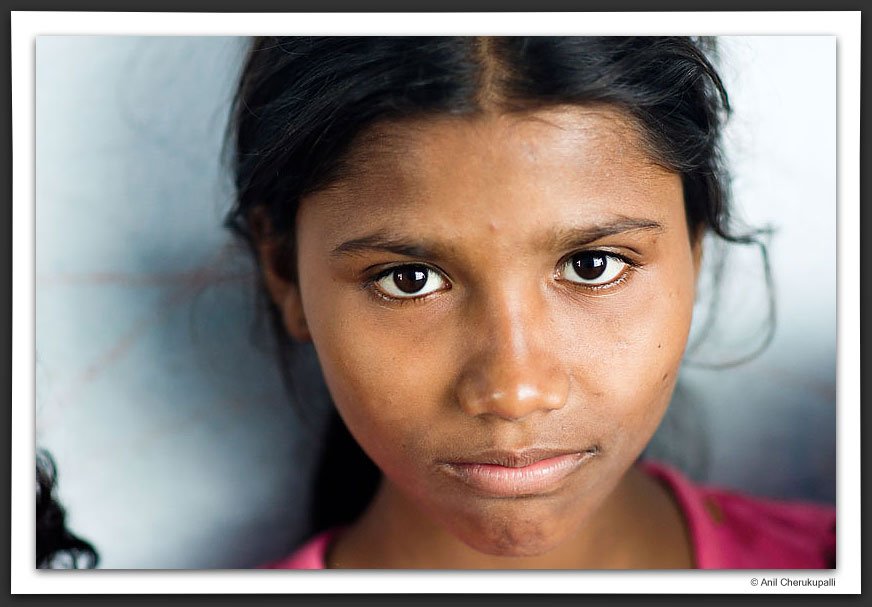
September 2008, MV Foundation Hyderabad Camp.
To see the complete Children of MV Foundation Series please click here.


September 2008, MV Foundation Hyderabad Camp.
To see the complete Children of MV Foundation Series please click here.
The guns have finally fallen silent. The staccato bursts of gunfire have died down. The intermittent explosions have stopped. The pigeons which flew away after every explosion have settled down. But something does not feel right. This was not like one of those bomb blasts we have been seeing with such regularity in India over the past few years. The blasts, even though extremely tragic, had a neat closure to them. But this siege was not neat. It was brutal, ugly, bloody and drawn out. To think that a dozen terrorists made the city, the country, nay even the world stand still speaks volumes both of their meticulous planning as well as of the utter failure of our security apparatus.
I’ve never liked Mumbai as a city. I’ve never lived there but while I was in college I visited it every year for four years. And every time I came away irritated by its insane (to me) rush to get somewhere, its ugly contrasts, mixed with a little envy too perhaps that Mumbai was so much more cosmopolitan than Hyderabad. I’ve always thought people made a lot of unnecessary fuss about Mumbai, its so called spirit, character and every other clichéd adjective you can think of. But this time, unlike the many tragic events before, my heart went out to Mumbai and its people. As I followed the breathless TV reporters fall over themselves to bring the rest of the world as many live images as possible of the ‘unfolding situation’ I was filled with a curious mixture of emotions. There was sadness at the needless and immense loss of life. There was multi-directional rage too, at the politicians who seem to mumble the same platitudes every time something like this happens but are soon back to their ways, of dividing this beautifully complex country to suit their narrow needs.
There was rage too at the terrorists, a helpless and hopeless sort of rage mixed with some despair. I’ve tried but I still cannot understand how someone of roughly my age can take a machine gun, walk into a hotel, into a railway station and start shooting indiscriminately. How can he look into the eyes of a woman trying to go home after visiting her relatives and shoot her in the throat? How can he separate people based on their nationality and gun them down? Try as I might I just cannot comprehend this inhumanity, this utter, deep dark hate that someone has inculcated in him. After all, he was not born with it. He was somebody’s son. He must have experienced some love. How do you go from being a human being to someone who does not blink twice before pressing the trigger and pumping bullets into fellow human beings, irrespective of whether that human being is an old man, a woman or a child? This hatred is beyond me.
And that fills me with a certain hopelessness. How do you guard against such unfathomable hatred? How do you tackle it? Will a more proactive intelligence help? Will upgrading our archaic police force into something more modern and efficient help? Perhaps those measures will help in the short term. But in the long run we have to reach out to the source of such hatred and wipe it out. Not with guns or smart bombs as so many have now begun to advocate, the ‘Israeli way’ they call it. For that will only lead to a never ending cycle of violence. But by understanding the roots of such terror and turning people away from this futile murderous orgy; through education, through alleviation of poverty, through better job prospects and through respect. For nothing blunts hatred more than happiness and peace.
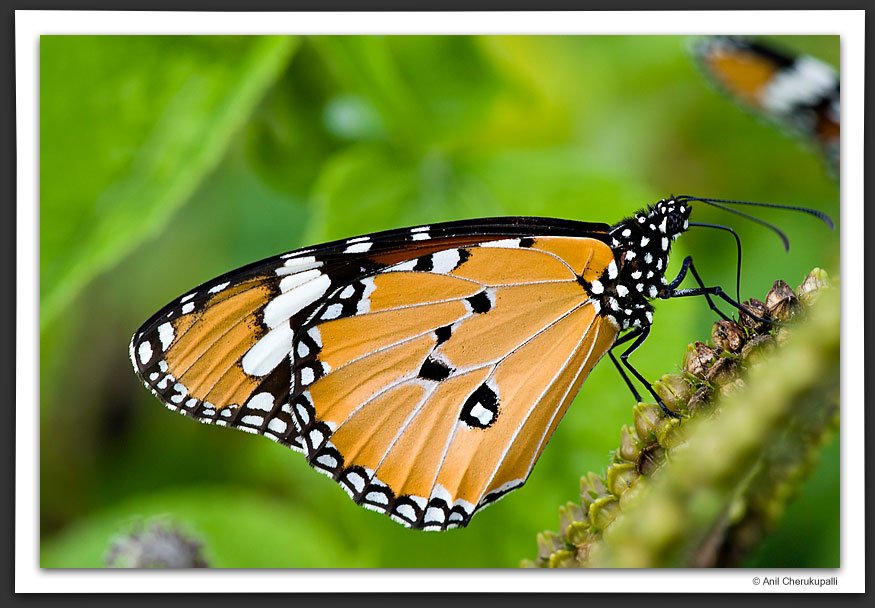
Plain Tiger (Danaus chrysippus). Location: Narsapur Lake, Medak.
If you are interested in seeing more butterfly photos do visit my Indian Butterflles gallery.

Common Silverline (Spindasis vulcanus). Location: Papikonda Reserve Forest, Maredumilli, East Godavari.
I spent three delightful days over the weekend traveling through the Eastern Ghats of Andhra Pradesh in search of butterflies and birds. We got ample sightings of both (as well as a few mammals). In total, we covered about 500 kms through three districts, East Godavari, Khammam and Vishakapatnam.
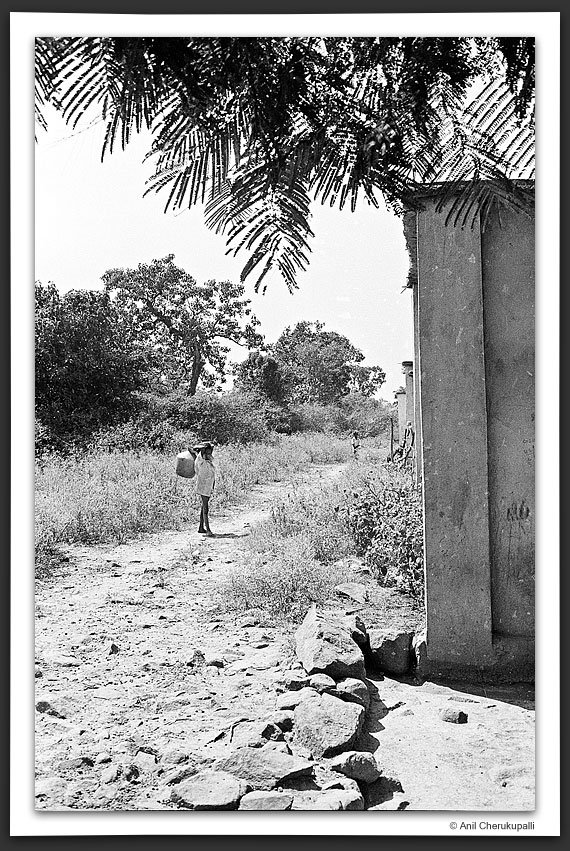
November 2008, Kudichintalabayalu Village, Nallamalla Forest.
(To read this photo essay in sequence from the beginning please go here.)

November 2008, Kudichintalabayalu Village, Nallamalla Forest.
(To read this photo essay in sequence from the beginning please go here.)
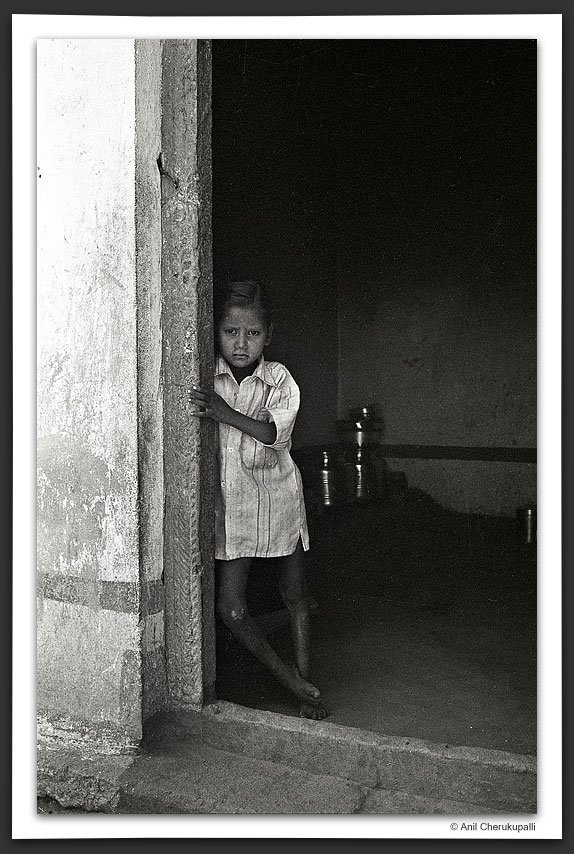
November 2008, Kudichintalabayalu Village, Nallamalla Forest.
(To read this photo essay in sequence from the beginning please go here.)

November 2008, Kudichintalabayalu Village, Nallamalla Forest.
Kodala Bayanna contracted polio as a child. Both his parents passed away a few years back and he now lives with his old grandmother. A couple of years back the government had given him a tricycle but that soon fell into repair and he does not have the money to get it repaired. Now the only way for him to move is by crawling and sliding.
(To read this photo essay in sequence from the beginning please go here.)

November 2008, Kudichintalabayalu Village, Nallamalla Forest.
Ramulu lives alone. His wife left him taking their kids with her. He only replied in monosyllables and sat outside his house staring into infinity. The doctor with us speculated that Ramulu might be suffering from depression based upon his behavior and his wife might have left him because he might have contracted AIDS. Apparently, going to prostitutes is another vice that the Chenchus pick up upon exposure to civilization and not being aware of safe sex practices inevitably suffer the consequences of unsafe sex.
(To read this photo essay in sequence from the beginning please go here.)
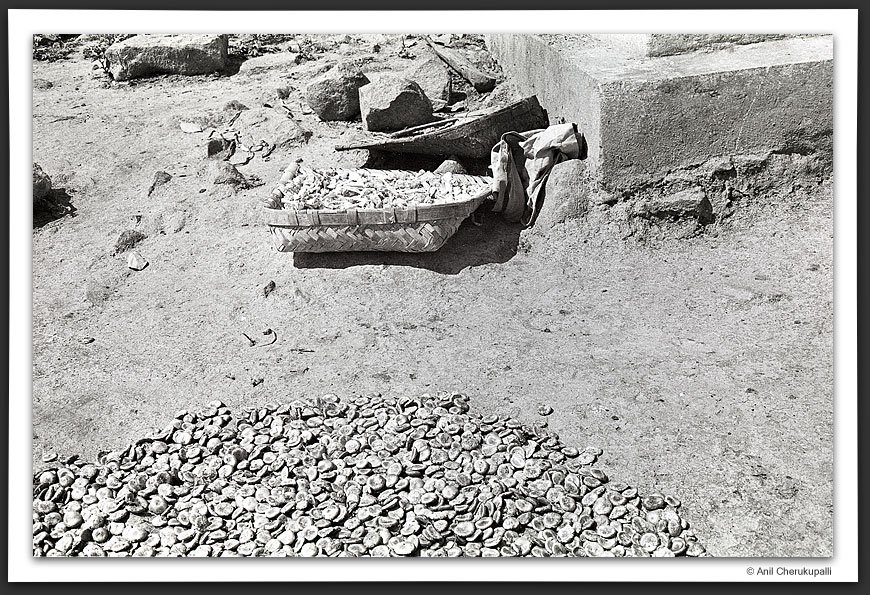
November 2008, Sarlapalli Village, Nallamalla Forest.
Ever since the Chenchus have been forbidden to hunt animals in the forests they live in they have had to subsist on the wild roots, tubers and seeds (above photo) they gather in the forest as well as the occasional rice and pulses doled out by the government. This lack of access to a ready protein source is one of the causes for the greater incidence of skin and other malnutrition diseases among the tribals.
(To read this photo essay in sequence from the beginning please go here.)